

E-waste management aligns recycling, reuse, and responsible disposal to cut environmental impact. This article introduces circular economy focuses, asset management strategies, and management strategies supporting a sustainable future.
E-waste is rapidly growing and leaks toxins when landfilled. To address this, myhalo teamed up with CapitaLand for the Let’s Get Down to Earth 2026 campaign, hosting the “Declutter Your E-Clutter” initiative at CapitaSky (L2 Foyer). This initiative aims to educate and encourage the community to rethink how we treat electronic devices. Instead of discarding, bring unwanted devices for secure upcycling, repair, and responsible recycling. myhalo champions a circular technology economy by securely upcycling, repairing, and responsibly recycling devices. myhalo helps avoid 302,088 kg of CO2 emissions annually. Beyond recycling, the initiative educates consumers on device preservation—such as using custom-cut protectors to prevent unnecessary obsolescence and reduce packaging waste. Participants declutter responsibly and are rewarded for making a positive environmental impact.
Understanding E-waste and Its Impact
Understanding e-waste means recognizing growing e-waste generation, end-of-life risks, and landfill leakage from electronic waste. Organisations should adopt recycling programs and responsible disposal to recover materials and reduce impact through practical lifecycle management strategies.
Definition of E-waste
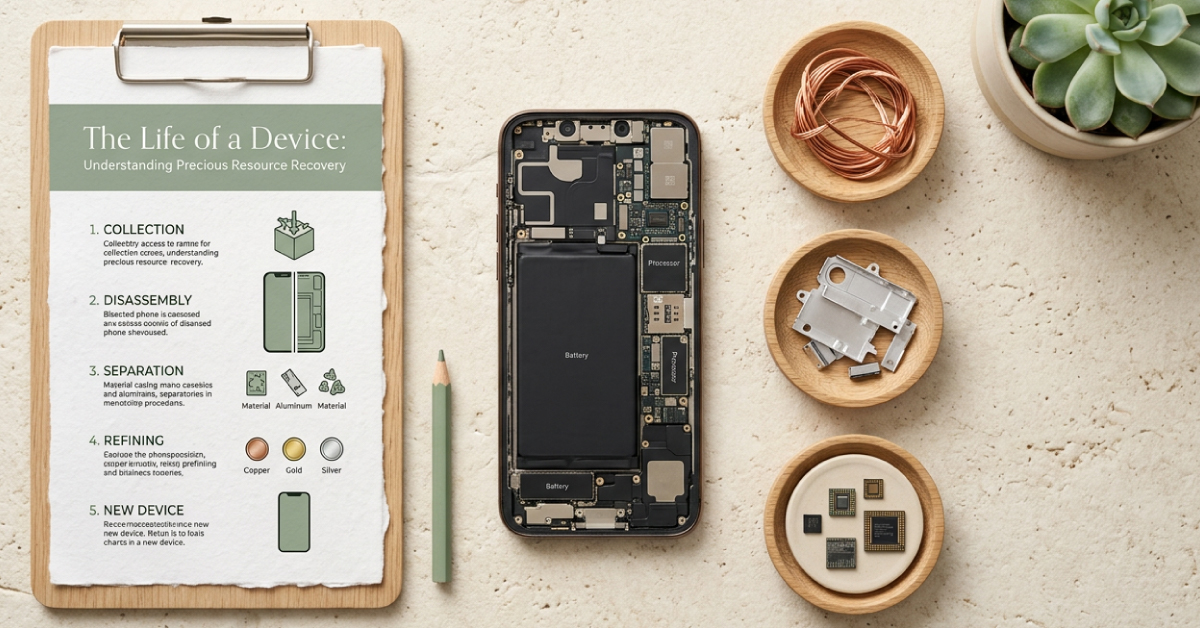
E-waste refers to electronic goods and electronic devices at end-of-life, including a laptop, phones, and peripherals awaiting disposal. Electronic waste management classifies them for reuse, recycling, or responsible disposal, prioritizing recovery of valuable materials within a circular economy.
Growing E-waste Generation
Shorter lifespans and rising consumption accelerate e-waste. Without sustainable it asset management, more electronic waste reaches landfill. E-waste collection, e-waste recycling, and lifecycle management curb growth while enabling reuse and repurposing to reduce e-waste across the supply chain.
Environmental and Health Effects of E-waste
Improper disposal releases toxins that harm soil, water, and health. Responsible disposal, recycling, and adoption of circularity minimize environmental impact, protect workers, and recover valuable materials, strengthening sustainable business practices and sustainable future outcomes.
The Importance of a Circular Economy
The circular economy focuses on keeping products, components, and materials at high utility through reuse, repair, and recycling. Applying circular principles reduces disposal and extends lifespan, embedding sustainability into e-waste management and sustainable it asset strategies for organisations.

What is a Circular Economy?
A circular economy is a system where design, lifecycle, and asset management strategies prioritize circularity, repurposing, and recycling. It reduces waste, preserves materials, and guides sustainable IT decisions from procurement to end-of-life.
Benefits of Circularity in E-waste Management
Circularity turns waste into resources, cutting landfill, emissions, and costs. Organisations gain resilience, improved supply chain material recovery, and better sustainability metrics through e-waste recycling, reuse, and responsible disposal integrated with lifecycle management and recycling programs.
Extended Producer Responsibility (EPR) Initiatives
EPR holds producers accountable for end-of-life, incentivizing design for longevity, take-back and e-waste collection, and recycling programs, aligning electronic waste management with sustainable business obligations and reducing e-waste across markets.
Lifecycle Management of Sustainable IT Assets
Lifecycle management integrates sustainable it asset management with procurement, use, maintenance, and end-of-life options. Extending device lifespan and selecting reuse or certified recycling supports circularity.
Understanding the Lifecycle of IT Assets
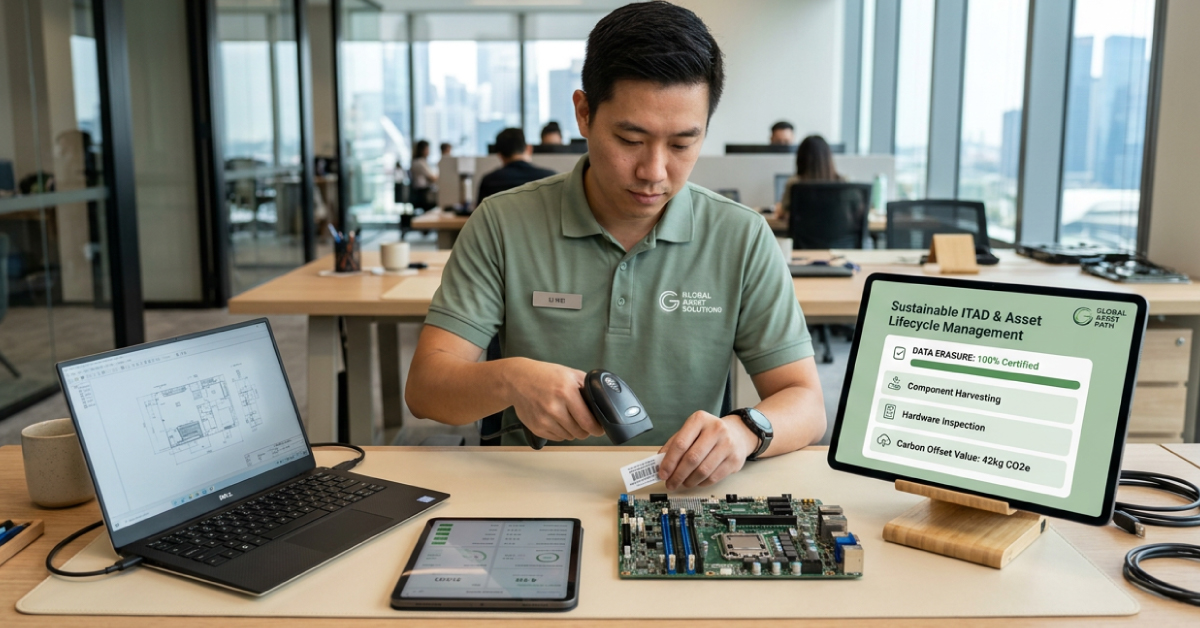
The lifecycle spans planning, acquisition, deployment, support, and end-of-life. Track devices, protect data, and choose reuse or e-waste recycling to minimize impact while maximizing valuable materials recovery.
Best Practices for Lifecycle Management
Implement inventory accuracy, preventive maintenance, repair, secure data erasure, and certified collection. Integrate EPR-aligned vendors, recycling programs, and circular economy procurement to reduce e-waste and enhance sustainability across the supply chain.
| Focus Area | Key Actions |
|---|---|
| Operational Practices | Inventory accuracy, preventive maintenance, repair, secure data erasure, certified collection |
| Sustainability Strategy | Integrate EPR-aligned vendors, recycling programs, circular economy procurement |
Strategies for Extending the Life of Devices
Prioritize upgradeability, modular repair, and protective accessories. Standardize maintenance, enable redeployment, and prioritize reuse or repurposing before disposal. Responsible e-waste management preserves valuable materials and advances sustainable future goals for organisations.
myhalo and CapitaLand’s Initiative
myhalo and CapitaLand amplify circular economy focuses by transforming e-waste management into community action. Anchored in sustainability and responsible disposal, the partnership aligns lifecycle management and e-waste recycling with practical management strategies that reduce e-waste.


Overview of the “Declutter Your E-Clutter” Campaign
The “Declutter Your E-Clutter” campaign at CapitaSky (L2 Foyer) invites customers to bring electronic devices and electronic goods for e-waste collection, recycling, reuse, and repurposing. It diverts end-of-life items from landfill through secure, certified processes.
Community Engagement and Education
Through workshops and booth interactions, participants learn about e-waste generation, responsible disposal, and electronic waste management. Hands-on tips like custom-cut protectors and data-safe disposal empower greener choices that extend lifespan, protect valuable materials, and lessen environmental impact across the supply chain.
Impact on Sustainability and E-waste Reduction
The initiative measurably reduces e-waste and emissions, supporting a sustainable future. myhalo’s lifecycle management prevents unnecessary disposal, and 302,088 kg CO2 avoided annually showcases e-waste recycling outcomes, circularity benefits, and stronger sustainable business outcomes for every participating organisation.
Best Practices for E-waste Management
Best practices integrate sustainable it asset management with e-waste collection, reuse, and recycling programs. Use EPR-aligned, certified partners to protect data and recover materials, reducing e-waste while minimizing environmental impact across each lifecycle phase.
Reducing E-waste through Responsible Disposal
Follow a hierarchy: repair, reuse, recycle, dispose last. Certified e-waste recycling captures valuable materials and prevents landfill leakage, aligning with epr frameworks and principles of a circular economy for organisations.
Repair and Upcycling as Sustainable Options
Repair and upcycling extend device utility and cut waste. Structured lifecycle management documents parts replacement, ensures data erasure, and channels end-of-life assets into circularity pathways that preserve materials and maximize sustainability.
Encouraging Greener Consumer Choices
Choose modular devices, use protectors, maintain batteries, and trade-in responsibly. Selecting vendors with recycling programs and extended producer responsibility commitments embeds e-waste management within purchasing, minimizing environmental impact through smarter, lifecycle-aligned decisions.
Conclusion: The Path Forward
Collaboration across supply chains and households is essential. By adopting circular economy strategies, improving e-waste collection, and standardizing responsible disposal, we accelerate sustainability outcomes and safeguard valuable materials for a resilient, sustainable future.
The Role of Individuals in E-waste Management
Maintain, reuse, and recycle devices—participate in community drives like myhalo and CapitaLand’s campaign, to keep electronic waste out of landfill and support circularity across the lifecycle.
Future Trends in Sustainable IT Asset Management
Expect stronger repairability standards, better telemetry, and tighter EPR. Sustainable it asset management will integrate traceable materials recovery, refurbishment marketplaces, and automated triage to reduce e-waste and optimize recycling efficiency.
Join the Let’s Get Down to Earth 2026 campaign at CapitaSky and declutter responsibly.
Bring devices, support e-waste collection, and champion adopting circular economy practices that reduce e-waste, protect valuable materials, and advance sustainability today.
FAQs
What items qualify as e-waste?
Phones, a laptop, chargers, and small electronic devices at end-of-life.
How to dispose?
Use certified e-waste recycling or collection.
Why?
To reduce e-waste, recover materials, and lessen environmental impact.
What is a circular economy?
A circular economy is a regenerative system that designs out waste and keeps electronic devices, components, and valuable materials in continuous use. It prioritizes reuse, repair, remanufacture, and recycling over disposal, minimizing environmental impact and landfill dependency. By aligning lifecycle management strategies with responsible disposal and recycling programs, organisations reduce e-waste and support a sustainable future through closed-loop supply chains.
Unlock Value in E‑Waste: Recover Gold & Extend Device Lifespan
E-waste contains concentrated precious metals and reusable components recoverable via certified e-waste collection and recycling. Mining drawers and storerooms for old phones and a laptop can yield valuable materials, reduce e-waste, and cut environmental impact by displacing virgin extraction through responsible, circularity-driven recovery and repurposing.
Are you concerned about the environmental impacts your IT estate will have on the environment when it’s no longer useful?
Unmanaged e-waste drives toxic leakage and emissions. Sustainable it asset management embeds data security, repair, reuse, and certified disposal into the lifecycle. By adopting circular economy focuses and clear asset management strategies, your organisation can reduce e-waste, lower Scope 3 impacts, and safeguard ecosystems while retaining value from electronic devices.
What is the sustainability performance of your current electronic assets?
Assess lifespan, repairability, energy use, materials, and end-of-life outcomes. Evaluate devices with lifecycle management metrics and map suppliers against EPR obligations and recycling programs to quantify reduced environmental impact, improved material recovery, and the carbon savings attributable to circularity within your sustainable IT asset portfolio.
| Lifecycle Metrics | Supplier/Program Alignment |
|---|---|
| Refurbish rates, reuse ratios | EPR obligations, recycling programs |
| E-waste recycling yield, responsible disposal compliance | Quantified impact: reduced environmental footprint, improved material recovery, carbon savings |
What is sustainable disposal of e-waste?
Use a triage hierarchy before disposal: diagnose, repair, and redeploy; then reuse and repurposing; finally, e-waste recycling with certified processors. Only non-recoverable residues proceed to controlled disposal. This hierarchy preserves valuable materials, prevents harmful dumping, and aligns with extended producer responsibility. Documented chain-of-custody and verifiable data erasure complete responsible electronic waste management for every organisation.
| Stage | Key Actions |
|---|---|
| Triage and Recovery | Diagnose, repair, redeploy; then reuse and repurpose |
| End-of-life Handling | E-waste recycling with certified processors; controlled disposal for non-recoverable residues |
| Governance | Documented chain-of-custody and verifiable data erasure; aligns with extended producer responsibility |
What is the circular economy for electronics?
Design for longevity, modular repair, and take-back across the lifecycle. Coordinate e-waste collection, refurbishment marketplaces, component harvesting, and high-yield recycling to keep electronic waste in productive loops. Through management strategies, epr partnerships, and adopting circular economy procurement, organisations minimize disposal, reduce e-waste, and enhance sustainability across the supply chain.
Which sustainability strategy focuses on prolonging product life and reducing waste?
Product life extension is the strategy: maintain, upgrade, and repair to maximize lifespan before end-of-life pathways. Combined with reuse, repurposing, and e-waste recycling, it operationalizes principles of a circular economy. Implement asset management strategies—spares logistics, modular parts, warranty optimization, and certified refurb—to reduce e-waste, protect valuable materials, and deliver measurable environmental impact reductions for a sustainable business.