
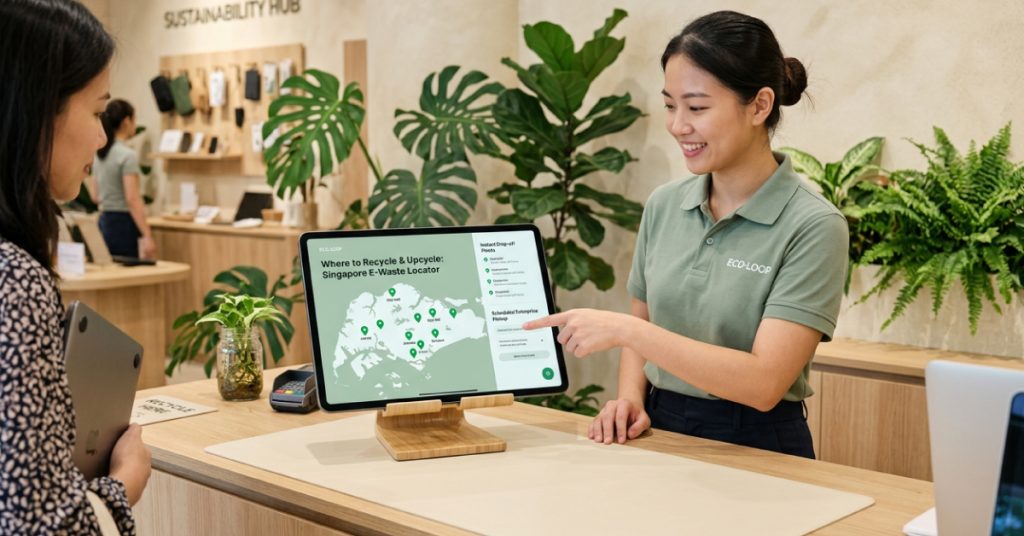
Declutter your e-clutter and embrace a more sustainable future for your old electronics. This guide will walk you through understanding e-waste, its profound impact, and the best practices for disposal in Singapore, emphasizing upcycling as a first-priority solution.
Understanding E-Waste and Its Impact
Electronic waste, or e-waste, represents a significant and growing environmental challenge globally, and Singapore is no exception. Understanding what constitutes e-waste and its far-reaching consequences is the first step towards responsible disposal and embracing more sustainable practices for your old devices.
What is E-Waste?
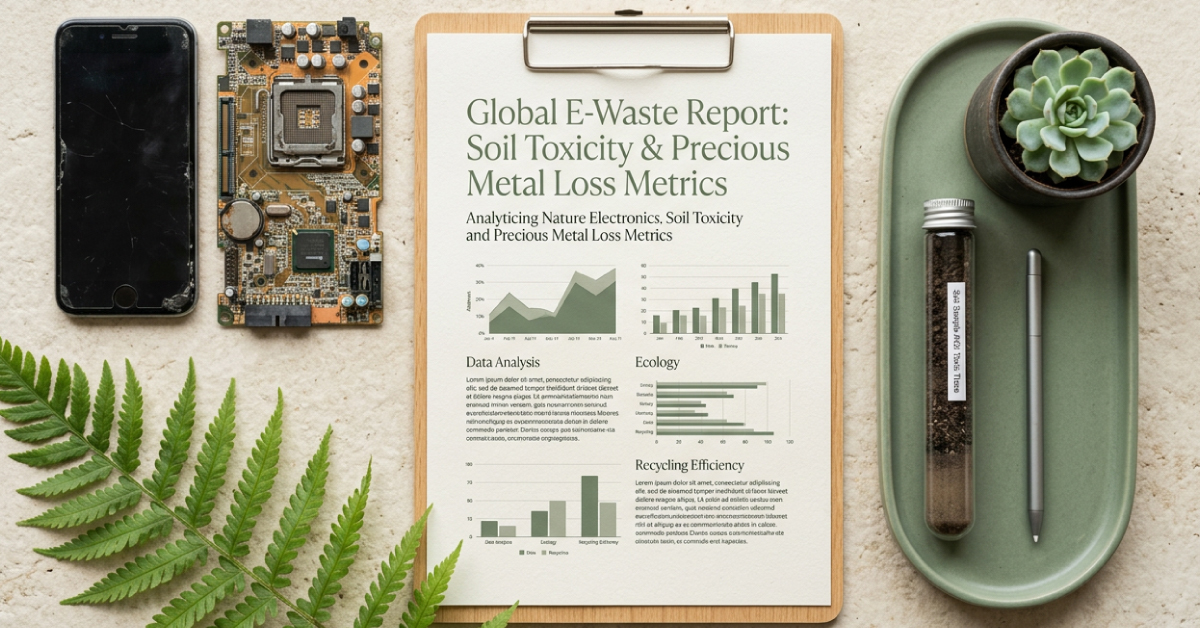
E-waste refers to discarded electrical or electronic devices that have reached the end of their useful lifespan. This broad category includes a vast array of items, from common household electronics like old mobile phones, laptops, and computer monitors to larger appliances and industrial equipment. Essentially, any device that relies on electric current or electromagnetic fields to function and is no longer desired falls under the umbrella of e-waste. Recognizing these types of e-waste is crucial for effective e-waste management.
The Environmental Impact of E-Waste
The environmental impact of improper e-waste disposal is profound and multifaceted. When electronic waste is simply discarded in general landfills, hazardous substances such as lead, mercury, and cadmium can leach into the soil and water, contaminating ecosystems and posing severe health risks to both humans and wildlife. Moreover, the manufacturing of new electronic devices requires significant energy and raw materials, and neglecting to recycle or, even better, upcycle existing electronics perpetuates this unsustainable cycle, contributing to a larger carbon footprint and resource depletion.
Resource Sustainability Act: An Overview
In Singapore, the Resource Sustainability Act (RSA) was introduced to specifically address the growing challenge of e-waste, alongside other waste streams. This comprehensive legislation provides a regulatory framework to ensure proper e-waste management, mandating Extended Producer Responsibility (EPR) schemes that hold producers accountable for the entire lifecycle of their products, including their end-of-life disposal. The act aims to promote a circular economy by encouraging the collection, reuse, and recycling of electronic waste, significantly reducing its environmental impact and moving towards a more sustainable future for the nation’s tech consumption.
Types of E-Waste and Their Importance
Navigating the world of electronic waste requires a clear understanding of its various forms and why responsible disposal practices are not just good, but essential. From small mobile devices to larger household items, every piece of e-waste holds potential for either harm or renewed value.
Common Types of E-Waste
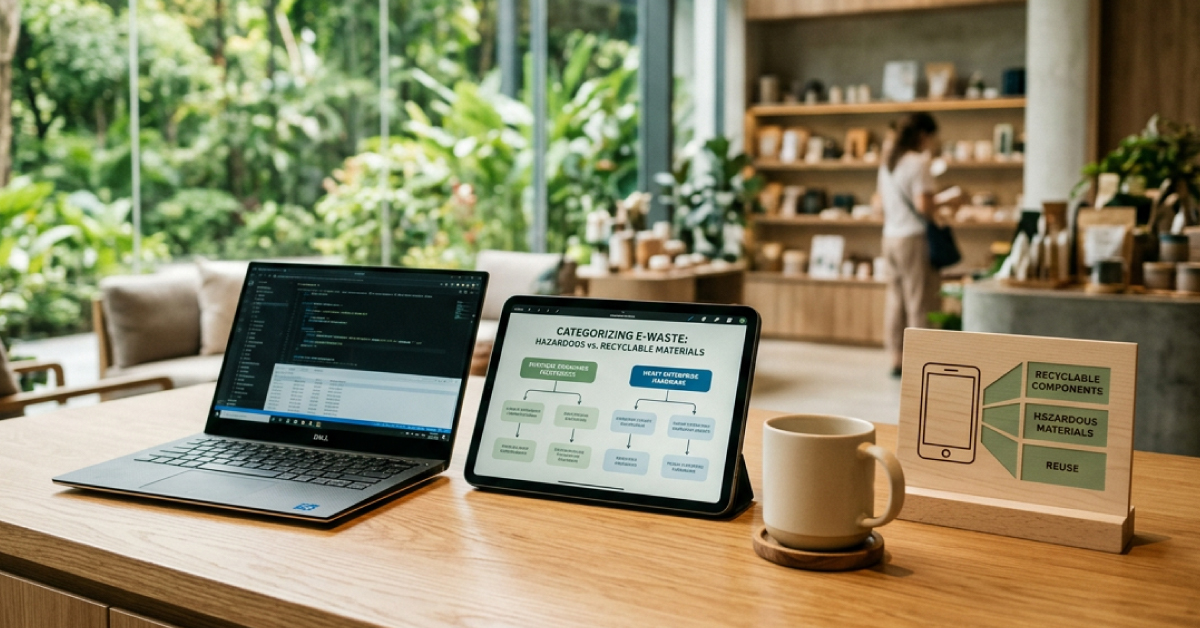
The scope of e-waste is extensive, encompassing a wide range of devices that we use in our daily lives. Common types of e-waste include mobile phones, laptops, desktop computers, computer monitors, power banks, routers, and modems. Larger items like televisions, refrigerators, and washing machines also fall into this category. Each type of electronic device contains different materials, some valuable and some hazardous, which makes understanding their proper disposal methods incredibly important for both resource recovery and environmental protection.
Why Proper Disposal Matters
Proper e-waste disposal is not merely a recommendation; it is a critical practice for environmental protection and resource sustainability. When electronics are responsibly managed through authorized channels, valuable materials such as gold, silver, copper, and platinum can be recovered and reused in new products, reducing the need for virgin resources. Conversely, improper disposal leads to the leaching of toxic chemicals into the environment, contaminating soil and water and posing severe health risks. Therefore, choosing an authorized e-waste collection or recycling bin ensures that your old electronic devices are processed in an environmentally sound manner, aligning with the principles of a circular economy.
The Lifecycle of Electronic Devices
The typical lifecycle of an electronic device begins with the extraction of raw materials, followed by manufacturing, distribution, consumer use, and finally, disposal. Traditionally, this lifecycle has been linear, ending with devices being discarded. However, with growing environmental concerns and advancements in waste management, the focus is shifting towards extending this lifecycle through reuse, repair, upcycling, and recycling. By prioritizing methods like upcycling, we can significantly extend the lifespan of electronic devices, reducing the demand for new production and minimizing the overall environmental footprint associated with our rapidly evolving tech landscape.
How to Recycle E-Waste in Singapore
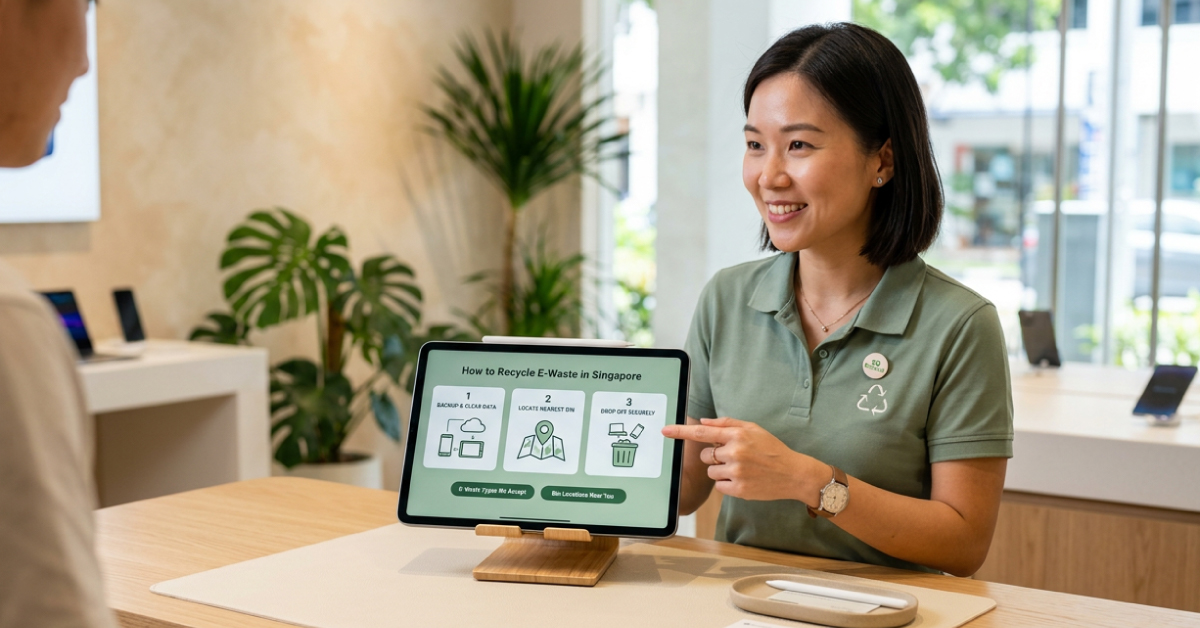
To effectively manage your electronic waste in Singapore, understanding the various channels available for responsible disposal is crucial. The National Environment Agency (NEA) has implemented a comprehensive system to make e-waste recycling accessible for all residents and businesses. This structured approach ensures that your discarded electronic devices are handled in an environmentally sound manner, preventing harm and promoting resource recovery within the circular economy framework.
NEA Bin Locations for E-Waste Recycling
The National Environment Agency (NEA), in collaboration with authorized partners like ALBA E-waste Smart Recycling, has established numerous e-waste recycling bins across Singapore, making the disposal of your old electronic devices incredibly convenient. These dedicated bins are strategically placed in public areas, shopping malls, community centers, and even some housing estates, providing accessible points for you to drop off common household e-waste such as mobile phones, laptops, computer peripherals, and even small power banks. Utilizing these official recycling bins ensures that your discarded tech contributes to a sustainable e-waste management process and is handled by compliant downstream partners.
Scheduled Collection Services
For larger or bulkier e-waste items that cannot be easily transported to recycling bins, Singapore offers convenient scheduled collection services. These services, often provided by regulated e-waste management operators, allow residents to arrange for the doorstep collection of items like old computer monitors, televisions, or multiple electronic devices from their homes. This initiative is particularly helpful for households undergoing major decluttering drives, ensuring that even substantial amounts of electronic waste are diverted from landfills and integrated into the e-waste recycling process, providing a hassle-free and responsible disposal solution for everyone.
Drop-off Points for E-Waste
Beyond NEA bins and scheduled collections, several dedicated drop-off points are available across Singapore for various types of e-waste, often located at retailers or community centers. These points sometimes cater to specific electronic devices or offer specialized services for items like old laptops or mobile phones, ensuring secure handling. Utilizing these authorized drop-off locations is a responsible practice, contributing to the nation’s e-waste management efforts and supporting the circular economy by making sure electronic waste is properly collected and prepared for either upcycling or recycling, minimizing its environmental footprint and maximizing resource recovery.
Understanding the E-Waste Recycling Process
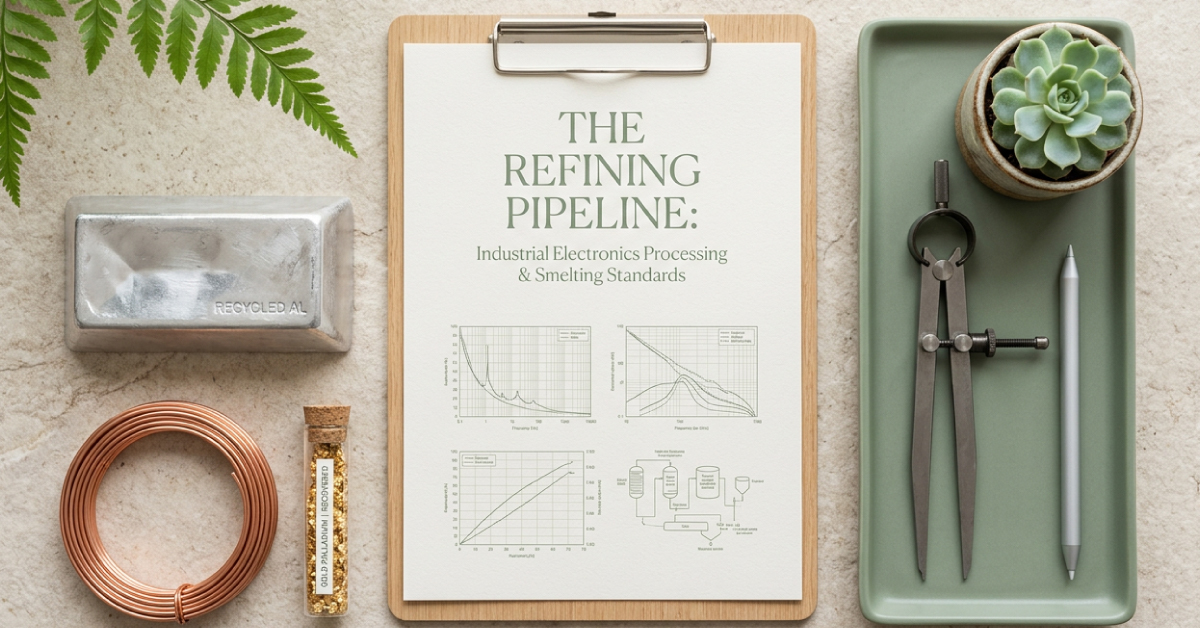
Understanding the journey of your electronic devices after you dispose of them is key to appreciating the importance of responsible e-waste management. From initial collection to the final stages of material recovery, each step in the e-waste recycling process is designed to minimize environmental impact and maximize resource efficiency, ensuring that valuable materials are retained within the circular economy.
Steps Involved in E-Waste Recycling
The e-waste recycling process is a multi-stage operation designed to safely dismantle, sort, and recover materials from discarded electronic devices. After collection from recycling bins or scheduled drives, items are transported to authorized facilities where they are initially sorted by type to facilitate the recycling of electrical and electronic waste. Functional devices are separated for potential upcycling, while others are prepared for raw material recovery. This often involves manual dismantling to separate components like circuit boards, plastics, and metals. Specialized machinery then further processes these materials, sometimes through shredding or smelting, to extract valuable resources and safely manage hazardous substances, ensuring environmental protection and maximum resource recovery from electronic waste.
Data Security and Privacy Considerations
When you dispose of electronic devices like old mobile phones, laptops, or computers, Data security and privacy are paramount concerns, especially in the realm of electrical and electronic waste., especially given the sensitive personal and corporate information often stored on these items. Reputable e-waste management services, such as myhalo, understand this critical need and implement military-grade, certified data erasure protocols for all devices before any upcycling or recycling takes place. This stringent process ensures that all data is permanently wiped, guaranteeing absolute privacy and preventing any unauthorized access to your information. Choosing a service with certified data erasure provides peace of mind that your data is safe and secure.
What Happens After Collection?
After your electronic waste is collected from a recycling bin or a doorstep collection service, its journey is far from over. For myhalo, the focus on sustainability and responsible recycling of bulky e-waste is paramount. first priority is always upcycling, meaning devices like old laptops, routers, or phones are meticulously tested. If they can be repaired, upgraded, or refurbished, they are given a new lease on life as “ReLoved” devices, extending their lifespan within the circular economy. For items that cannot be upcycled due to extensive damage, they are sent to authorized downstream partners for responsible e-waste recycling, where valuable materials are recovered and hazardous components are safely processed, ensuring minimal environmental impact.
Comparing E-Waste Recycling Methods
Distinguishing between various e-waste management strategies is essential for making informed, sustainable choices. While both recycling and upcycling aim to divert electronic devices from landfills, their approaches and environmental impacts differ significantly, with upcycling offering a more potent solution for extending device lifespans and reducing overall resource consumption.
E-Waste Recycling vs. Upcycling Electronics
E-waste recycling and electronics upcycling both play crucial roles in sustainable e-waste management, but they represent distinct approaches with different environmental priorities and impacts. Traditional e-waste recycling involves immediately processing discarded electronic devices by crushing, shredding, or smelting them to extract raw materials, which is energy-intensive. While it’s better than landfill disposal, it destroys the inherent value and functionality of the device. Upcycling, conversely, focuses on extending the lifespan of electronic devices by repairing, upgrading, or refurbishing them for reuse. Myhalo prioritizes upcycling, aiming to give items like old laptops, mobile phones, routers, and modems a second life, significantly reducing the energy and resources needed to manufacture new products.
Benefits of Responsible E-Waste Management
Engaging in responsible e-waste management offers a myriad of benefits that extend far beyond simply keeping electronic devices out of landfills. By prioritizing methods like upcycling and proper e-waste recycling, we actively contribute to a circular economy, significantly reducing the demand for new raw materials and the energy-intensive manufacturing processes associated with them. This practice helps to reduce our collective carbon footprint, conserve valuable natural resources, and prevent hazardous substances from contaminating our environment. Furthermore, it supports local economies through repair and refurbishment industries, creating a more sustainable and resilient tech landscape for Singapore.
Energy Consumption in Recycling vs. Upcycling
The energy consumption difference between e-waste recycling and upcycling electronics highlights why upcycling is myhalo’s first priority. Traditional e-waste recycling, which involves breaking down electronic devices into raw materials, is a highly energy-intensive process. It requires significant energy for collection, transportation, shredding, smelting, and refining the extracted metals. In contrast, upcycling, which focuses on repairing, refurbishing, or upgrading an electronic device like an old laptop or mobile phone, consumes substantially less energy. By extending a device’s lifespan, upcycling avoids the vast energy expenditure and environmental footprint associated with manufacturing a new product from scratch, making it a far more sustainable and efficient practice for managing electronic waste.
FAQs about E-Waste Management in Singapore
What is the difference between upcycling and recycling electronics?
The fundamental difference between upcycling and recycling electronics lies in their approach to managing discarded electronic devices. Recycling involves breaking down e-waste, such as old laptops or mobile phones, into raw materials through energy-intensive processes like shredding and smelting, ultimately destroying the original form of the device. Upcycling, conversely, focuses on extending the lifespan of these electronic devices by repairing, upgrading, or refurbishing them, allowing them to be reused in their original or an enhanced form. Myhalo prioritizes upcycling as it significantly reduces the environmental impact and conserves more resources than direct recycling.
How does myhalo reduce the amount of devices going to recycling by 58%?
Myhalo achieves a remarkable reliability in handling bulky e-waste. 58% reduction in the volume of electronic devices sent for destructive recycling by meticulously prioritizing upcycling. Our process involves thoroughly testing every collected e-waste item, from old laptops to routers and mobile phones. If a device can be repaired, upgraded, or refurbished, it is given a “ReLoved” second life, extending its lifespan and keeping it out of the immediate recycling stream. This proactive approach intercepts electronic waste at the source, preventing functional or salvageable tech from being prematurely shredded, thereby significantly reducing the overall e-waste footprint and maximizing resource utility within the circular economy.
Can household items like old power banks, routers, and modems be upcycled?
Absolutely, many common household electronic items like old power banks, routers, and modems can indeed be upcycled. These devices often have components that remain perfectly functional or can be easily repaired or replaced to extend their lifespan. Myhalo actively collects these types of e-waste, assessing each device for its upcycling potential. By choosing to upcycle these items rather than sending them directly to e-waste recycling bins, you contribute to a more sustainable electronics ecosystem, reducing waste and conserving the energy and resources that would otherwise be needed to manufacture new devices.
Why is direct e-waste recycling considered a last resort for myhalo?
Direct e-waste recycling is considered a last resort for myhalo because, while better than landfill disposal, it is an energy-intensive process that effectively destroys the inherent value and functionality of an electronic device. Processes like crushing, shredding, and smelting to extract raw materials consume significant energy and prevent potentially usable components from being reused. Myhalo’s core mission is to extend the lifespan of electronic devices through upcycling, ensuring that items like old laptops and mobile phones are given a second chance, thereby minimizing the environmental impact and fostering a true circular economy before resorting to material-level recovery.
How do I safely declutter my e-clutter in Singapore without harming the environment?
To safely declutter your e-clutter in Singapore without harming the environment, prioritize upcycling and responsible e-waste disposal through authorized channels. Avoid simply discarding electronic devices in general waste bins. Instead, gather your old laptops, mobile phones, computer monitors, power banks, routers, and modems for responsible recycling at our e-waste collection points. Utilize myhalo’s services by visiting myhalo.com.sg to find drop-off points or arrange for corporate collection drives. This ensures that your electronic waste is assessed for upcycling first, and if not possible, is sent for proper e-waste recycling by compliant downstream partners, guaranteeing a sustainable and environmentally sound solution for your discarded tech.
Is my data safe if my old laptop or phone is upcycled instead of shredded?
Yes, your data is absolutely safe if your old laptop or phone is upcycled through myhalo, as we prioritize secure data erasure above all else. Before any device, whether a mobile phone, laptop, or PC, proceeds to either upcycling or recycling, myhalo performs military-grade, certified data erasure. This stringent process ensures that all personal and corporate data is permanently wiped from the device, guaranteeing absolute privacy and preventing any unauthorized access or data breaches. You can have complete peace of mind knowing your information is secure with our certified data protection protocols at our e-waste collection points.
What happens to an electronic device that is completely broken and cannot be upcycled?
If an electronic device is completely broken and cannot be upcycled due to extensive damage, myhalo ensures it is still handled responsibly through authorized e-waste recycling centres. While our priority is always to extend the lifespan of devices, those beyond repair are sent to compliant downstream partners for safe and ethical e-waste recycling. Here, valuable materials such as metals and plastics are recovered, and hazardous components are properly managed and disposed of, preventing environmental contamination. This guarantees that even un-upcyclable items contribute to resource recovery and remain out of landfills, aligning with sustainable e-waste management practices and the importance of recycling your e-waste.
Where can I drop off old computer monitors and household tech for upcycling in Singapore?
You can conveniently drop off old computer monitors and various household tech for upcycling in Singapore through myhalo’s authorized network. Visit myhalo.com.sg to find a comprehensive list of our dedicated drop-off points, which are strategically located across the island for easy access. These locations accept a wide range of electronic devices, including old computer monitors, power banks, routers, and modems, ensuring your e-waste is channeled into our upcycling-first pipeline. By utilizing these points, you contribute directly to reducing electronic waste and supporting a circular economy for electronics in Singapore, making your disposal practice both convenient and impactful.
How does extending a device’s lifespan through upcycling fight tech inflation?
Extending a device’s lifespan through upcycling directly combats tech inflation by increasing the availability of affordable, high-quality “ReLoved” electronic devices in the market. When old laptops, mobile phones, or computer monitors are refurbished and reintroduced, it reduces the demand for brand-new products, which are often subject to rising manufacturing costs and supply chain issues contributing to inflation. By providing a more budget-friendly and sustainable alternative, upcycling makes technology more accessible to a wider range of people, effectively dampening the upward pressure on tech prices and fostering a more equitable and resource-efficient circular economy.
Why should I choose an upcycling-first partner over a standard e-waste recycling bin?
Choosing an upcycling-first partner like myhalo over a standard e-waste recycling bin offers significant environmental and resource benefits. While recycling bins facilitate the breaking down of electronic waste into raw materials, upcycling prioritizes extending the lifespan of electronic devices by repairing, upgrading, or refurbishing them. This approach drastically reduces the energy and resources needed to manufacture new products, minimizes the overall environmental footprint, and prevents perfectly functional or repairable tech from being prematurely destroyed. By choosing myhalo, you actively contribute to a circular economy, conserve resources, and reduce waste more effectively.
Want to give your old gadgets a second life? Visit our Rescue & Advise page to learn how we support repair, upcycling and NEA-compliant e-waste recycling
Bring down your e-clutter—old laptops, monitors, powerbanks, routers, modems and other electronics—and our team will provide free, practical advice on the best downstream: repair to extend lifespan, upcycle for new use, donate, or recycle responsibly (zero-landfill where possible). You might even get cash for items in working condition at our blue recycling bins. Drop by and turn your e-waste into value for you and the circular tech economy.
Recycling vs. Upcycling: Quick Comparison
| Feature | E-Waste Recycling | Electronics Upcycling (myhalo) |
| Core Definition | Breaking down dead items into raw commodities (copper, plastic, gold). | Repairing, renewing, and upgrading devices to extend their functional life. |
| The Process | Destructive: Shredding, crushing, and melting components. | Restorative: Testing, replacing worn parts, upgrading RAM/SSDs. |
| Energy Required | High: Requires heavy industrial machinery and smelting furnaces. | Very Low: Relies on skilled technical labor and minor component swaps. |
| Tech Lifespan | Ends here: The device is permanently destroyed as an asset. | Extended: The importance of reliable e-waste management will only grow as we approach 2026. The device continues to serve a user for years as a “ReLoved” machine. |
| Environmental Priority | Last Resort: Necessary only when a device is physically dead or unsafe. | First Priority: The golden standard of a true circular economy. |
Embrace Responsible E-Waste Disposal
The journey to a greener, more sustainable Singapore begins with conscious choices in our daily lives, particularly in how we manage our electronic waste. By understanding the profound difference between upcycling and traditional e-waste recycling, and prioritizing life extension for our electronic devices, we collectively contribute to a healthier planet. Embrace the opportunity to declutter your e-clutter responsibly, knowing that your actions have a direct and measurable positive impact on the environment and resource conservation within our vibrant city.
Visit myhalo.com.sg for More Information
Ready to make a tangible difference with your old laptops, mobile phones, computer monitors, routers, and modems?
Visit myhalo today to discover your nearest drop-off point, learn more about our certified data erasure process, or inquire about corporate collection drives for your business. Myhalo is your trusted partner for sustainable e-waste management in Singapore, committed to an upcycling-first approach that reduces waste, conserves resources, and builds a more robust circular economy for electronics.
Join the Movement Towards a Sustainable Future
By choosing myhalo, you’re not just disposing of e-waste; you’re joining a vital movement that champions sustainability, resource efficiency, and environmental protection. Let’s work together to declutter your e-clutter and give electronics a second life through upcycling, repair and responsible e-waste recycling in Singapore. Whether it’s old laptop disposal, recycle powerbank SG, computer monitor recycling, or router and modem disposal, myhalo provides NEA-compliant solutions that support a circular economy for tech and aim for zero landfill electronics. Your decision to upcycle or responsibly recycle your electronic waste through myhalo contributes directly to reducing the 58% of e-waste volume that would otherwise head to destructive recycling, making a real impact on resource recovery and carbon reduction. Visit our Rescue & Advise page for more information on our: Rescue & Advise page
Come down with your e-clutter and get free advise what is the best suited downstream, repair to extend lifespan, upcycle and get some cash, donate or recycle